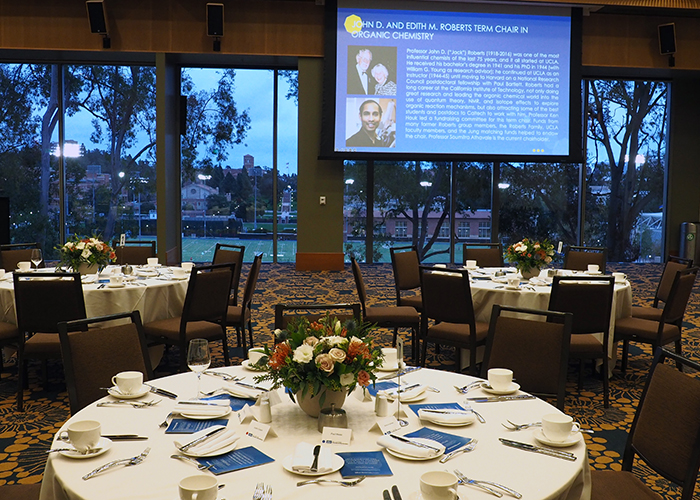
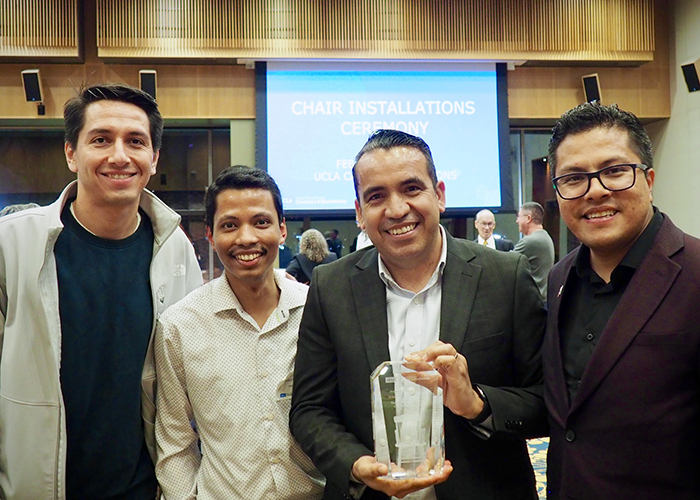
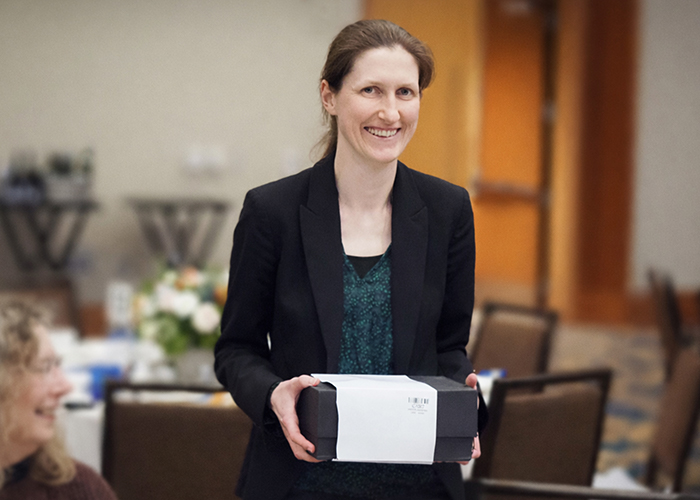
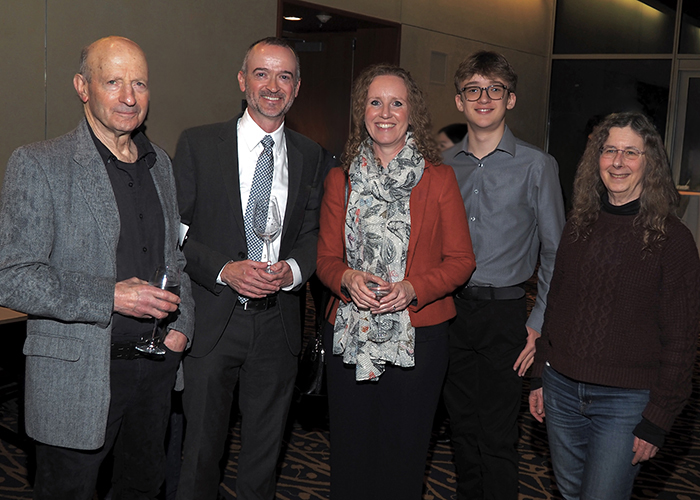
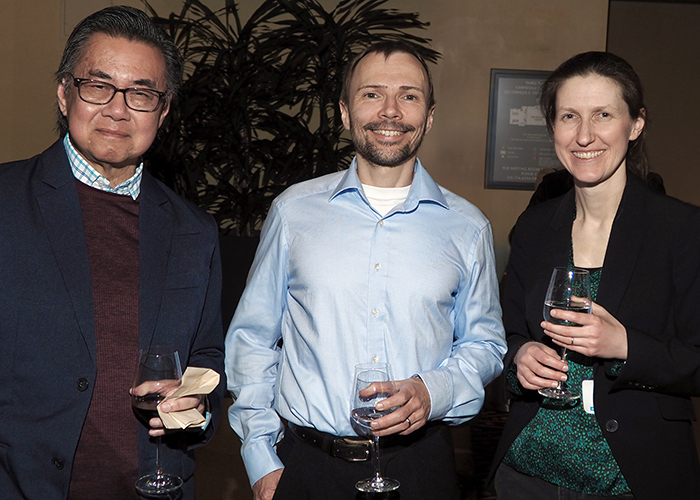
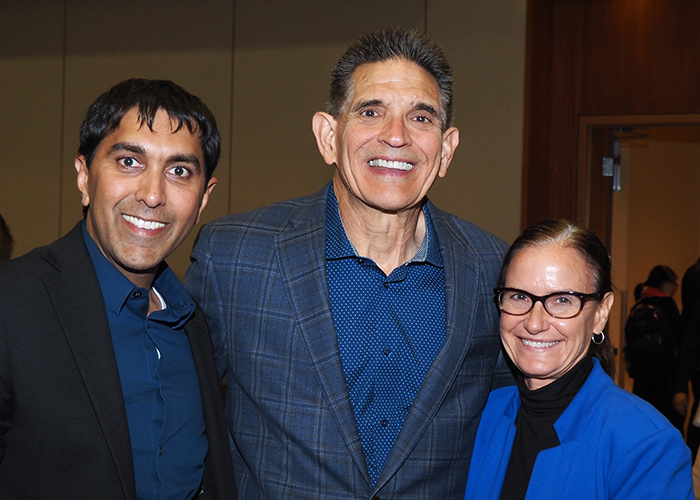
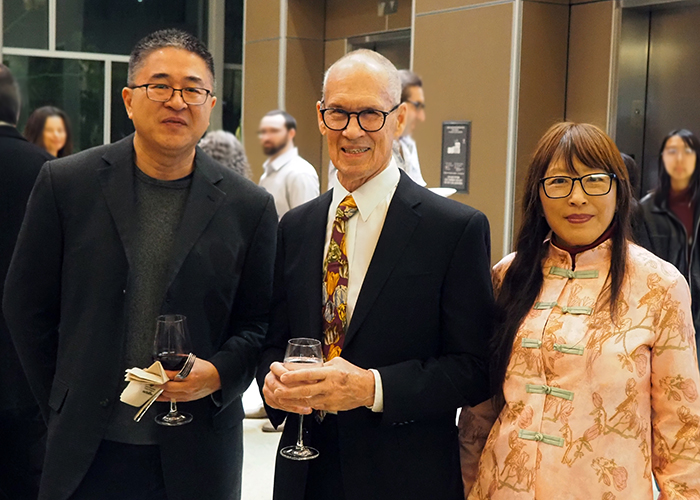
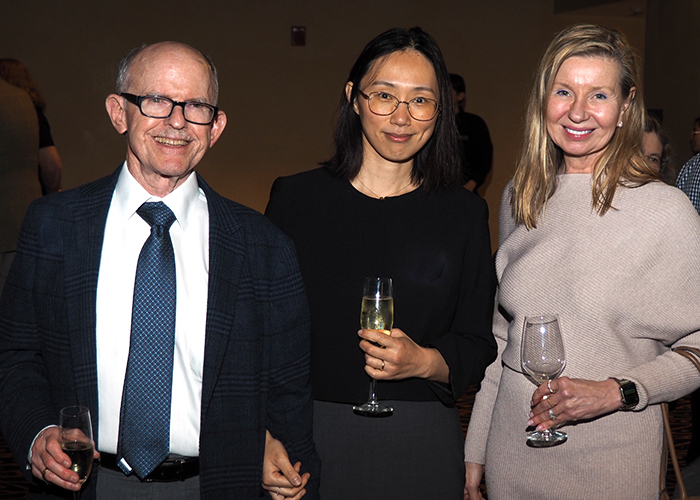
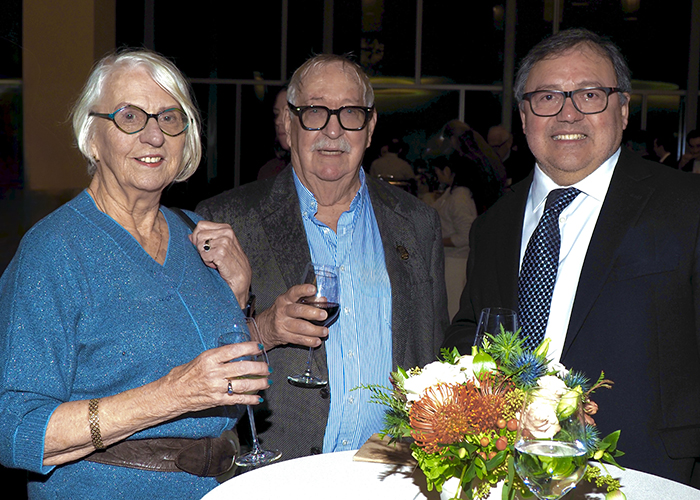
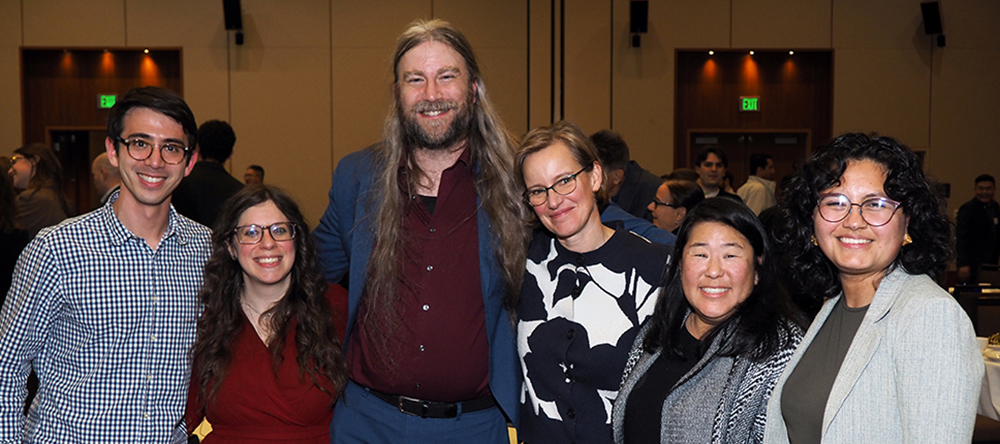
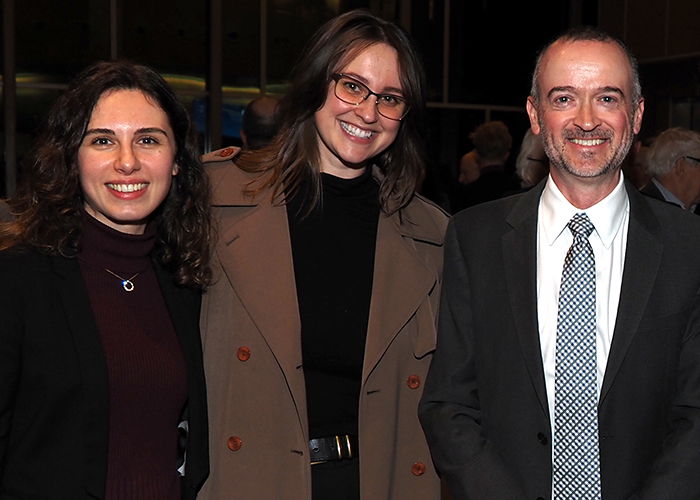
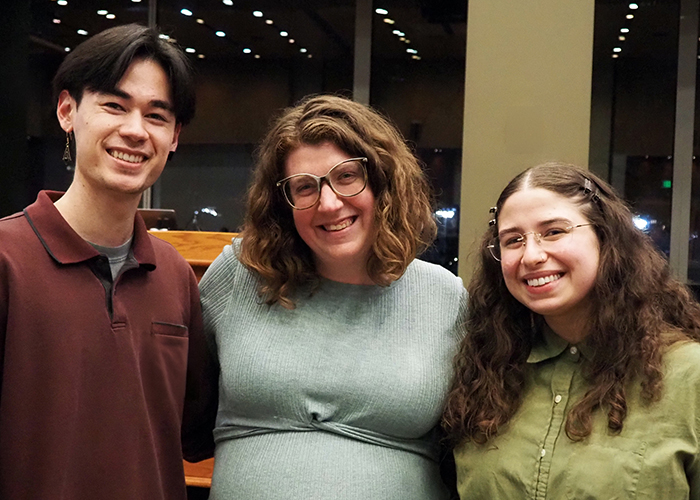
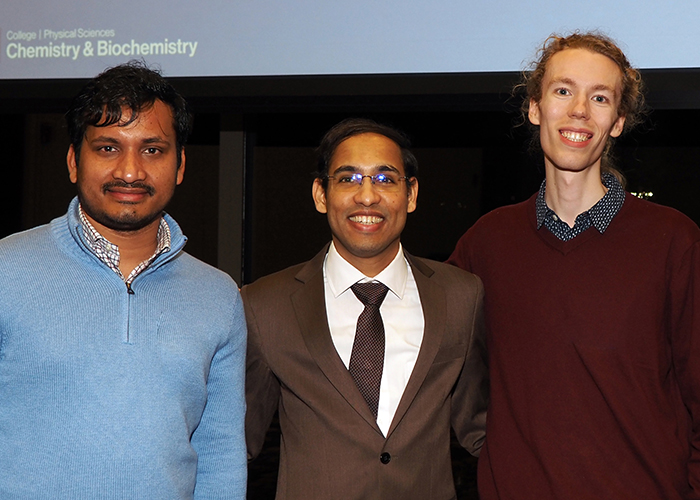
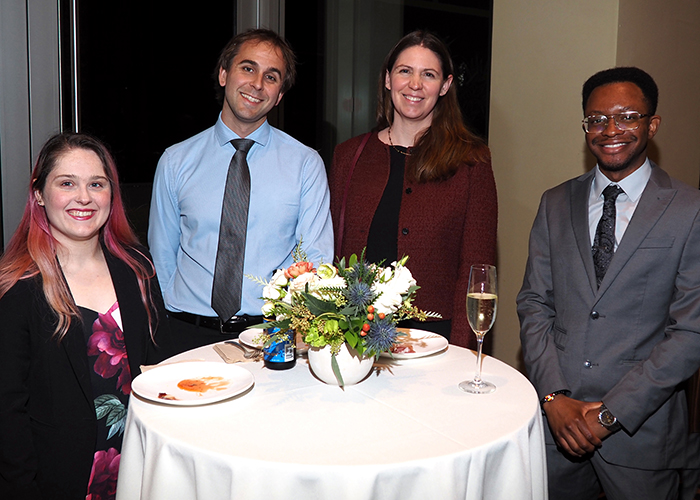
On Tuesday, February 17, 2026, members of the UCLA Chemistry & Biochemistry community gathered at UCLA Carnesale Commons to celebrate the installation of 13 endowed chairs in the department.
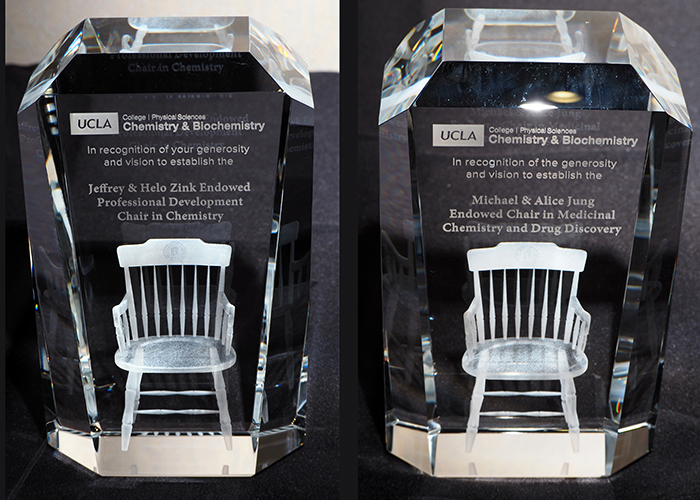
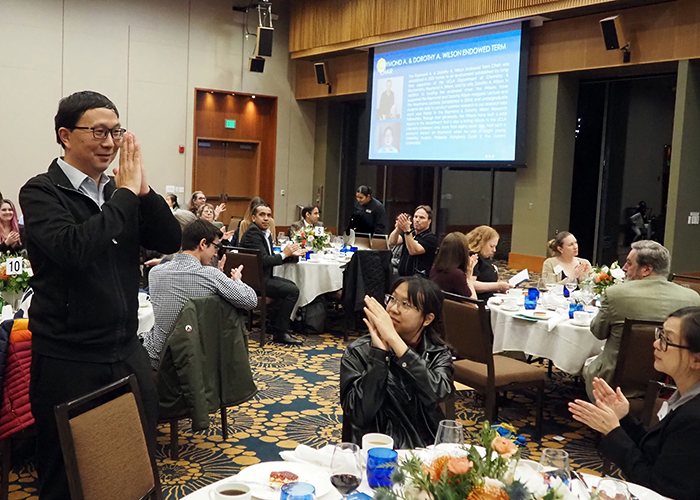
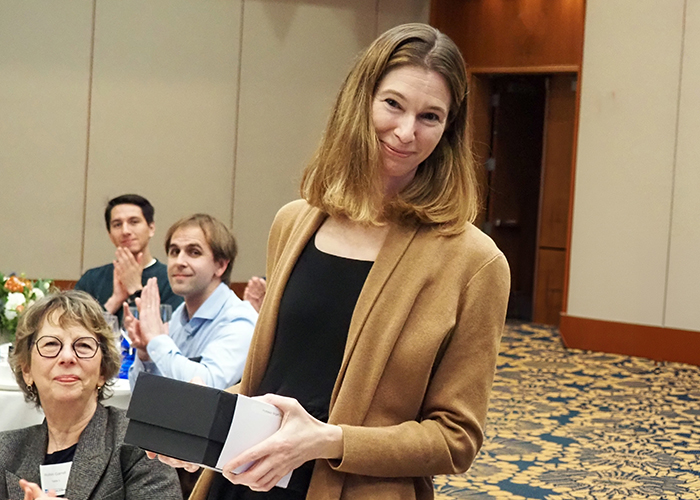
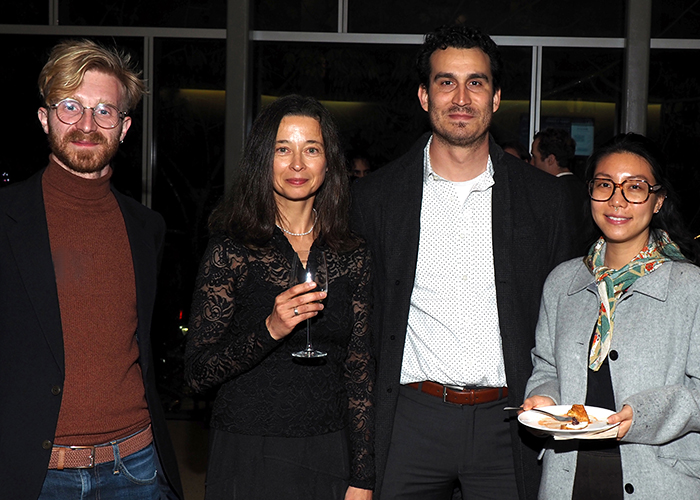
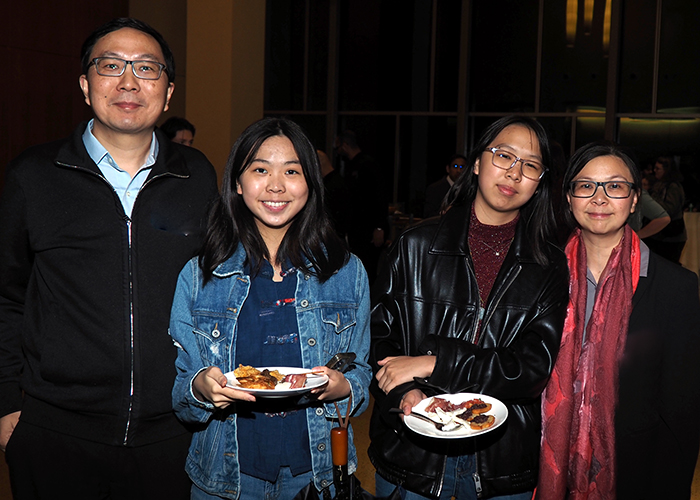
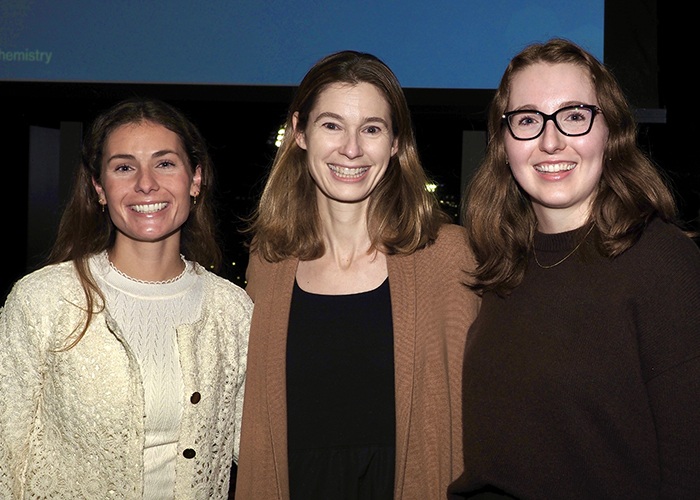
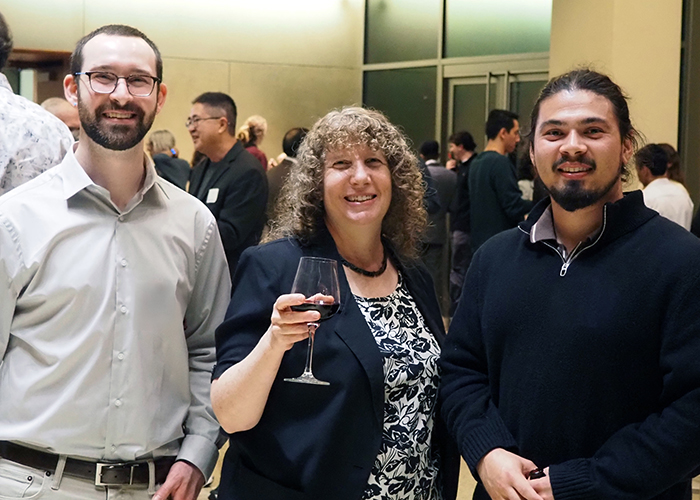
Donors, faculty, students, alumni, friends, and family members gathered for a reception before moving to the Palisades Ballroom for dinner and the ceremony, where chairholders and the donors whose gifts established the chairs were honored and presented with engraved crystal awards.
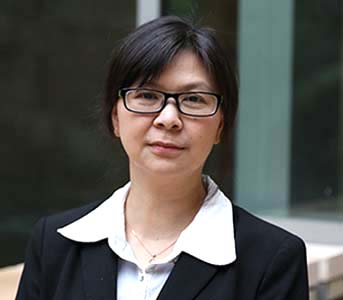
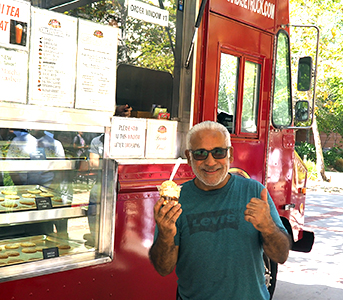
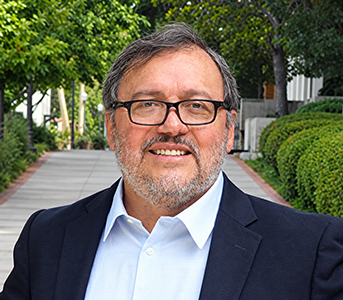
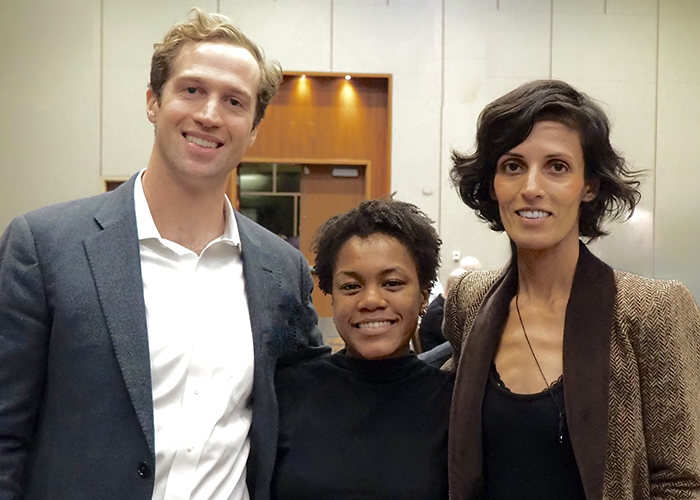
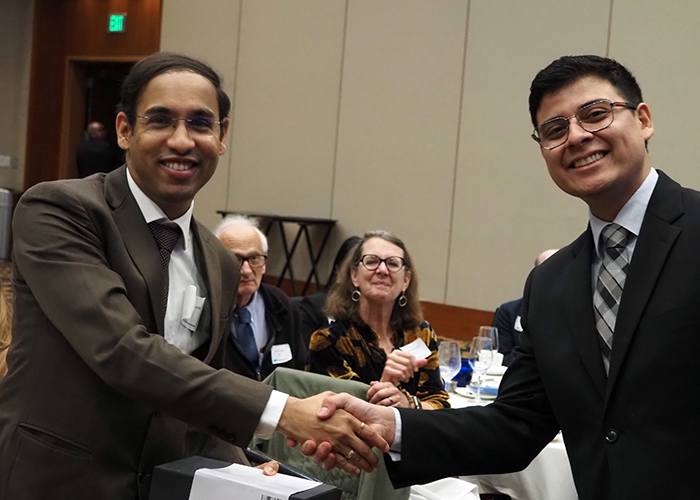
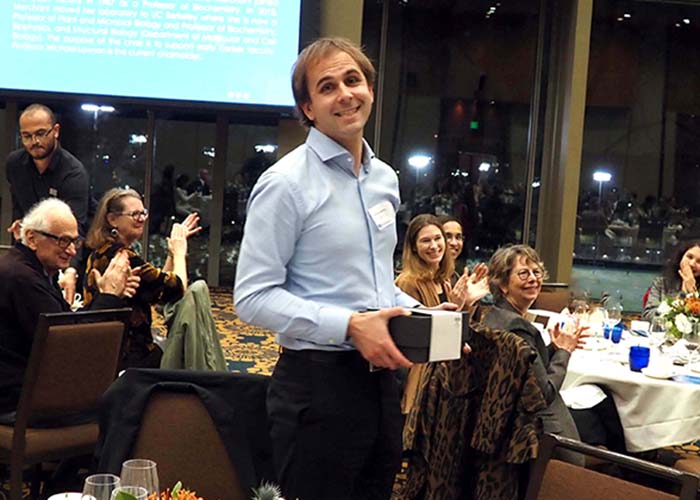
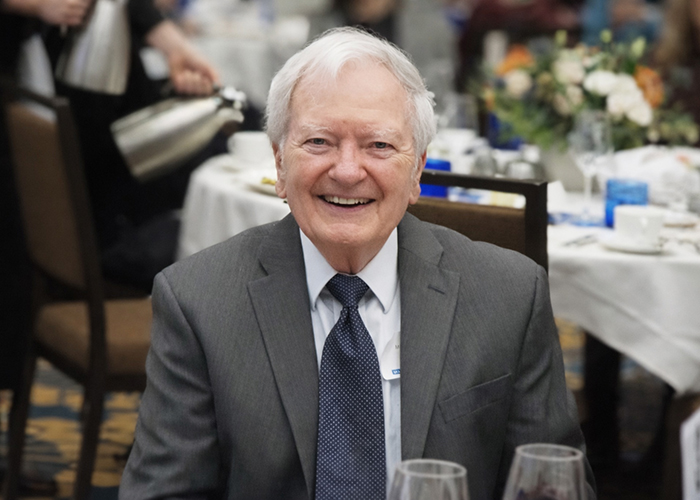
Select photos from the event can be viewed below, and the complete set can be viewed in the online photo gallery.

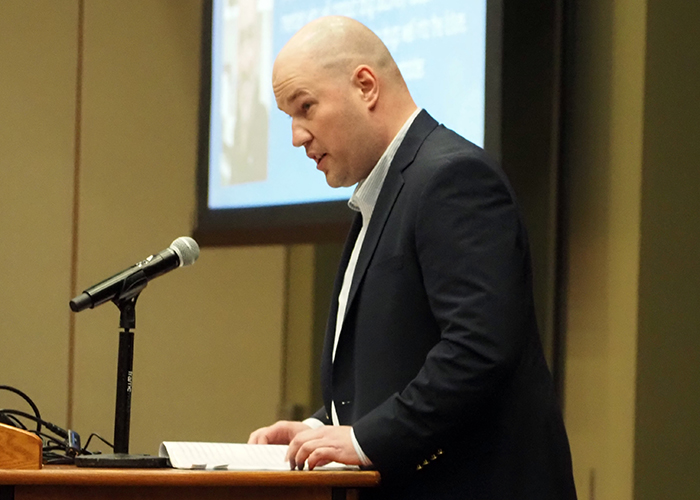
In his welcoming remarks, UCLA’s Executive Vice Chancellor and Provost Darnell Hunt praised the faculty for advancing a distinguished legacy of innovation while expressing gratitude to the donors whose steadfast support makes such progress possible. “Because of the creativity and diligence of our faculty and the generosity and vision of our supporters, we can look forward to further breakthroughs and advancements that improve lives and save lives,” Hunt said.
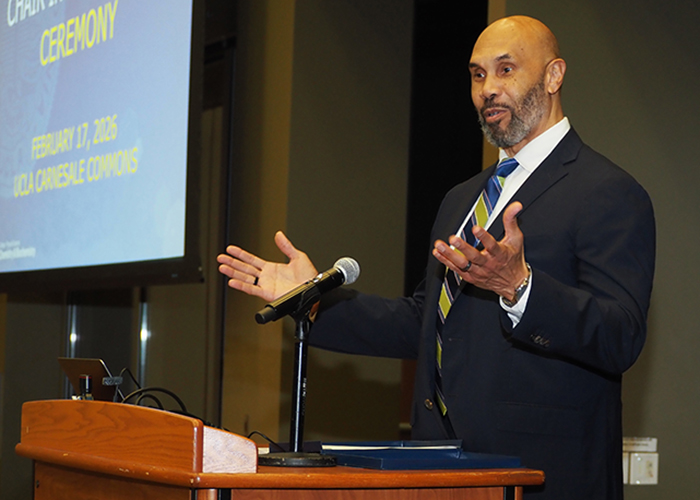
After dinner, Department Chair Professor Alex Spokoyny introduced the first group of chairholders and donors. In his remarks, he emphasized that endowed chairs are essential to recruiting and retaining outstanding faculty, providing flexible, unrestricted funding that enables bold, innovative research. He noted that this support helps faculty and students pursue high-risk, high-reward ideas and strengthens their competitiveness for external funding, and he expressed gratitude to the donors who make these investments possible and whose generosity leaves a lasting legacy.
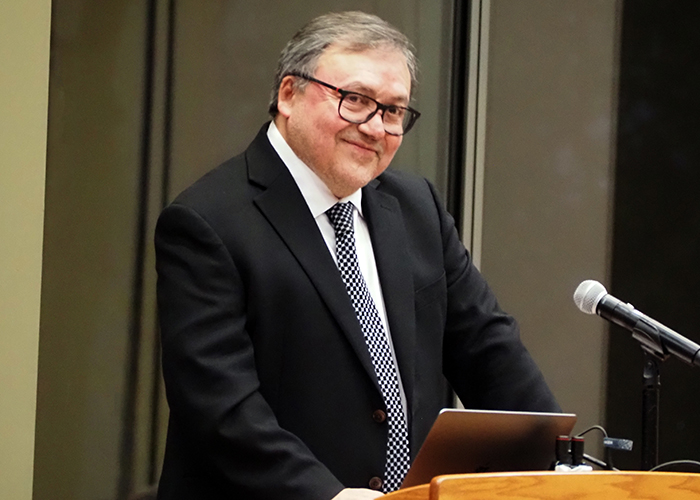
Miguel García-Garibay, Senior Dean of the UCLA College and Dean of UCLA’s Division of Physical Sciences, then announced the next group of chairholders and donors. In his remarks, he highlighted the division’s broad impact across its six departments and credited its world-changing research and educational excellence to the strength of its faculty. He emphasized that endowed chairs are essential to supporting these scholars and enhancing the student experience, and he expressed gratitude to the donors whose generosity leaves a lasting legacy for generations of Bruins.
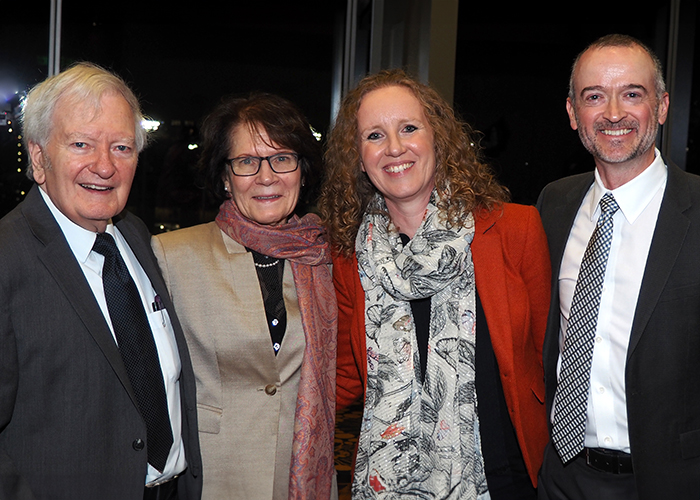
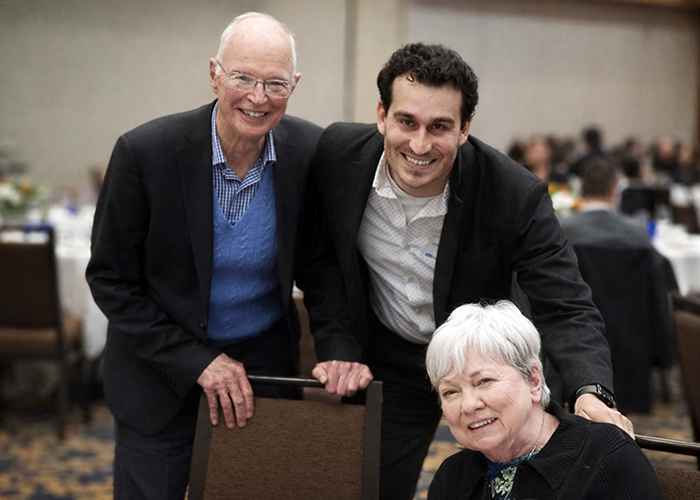
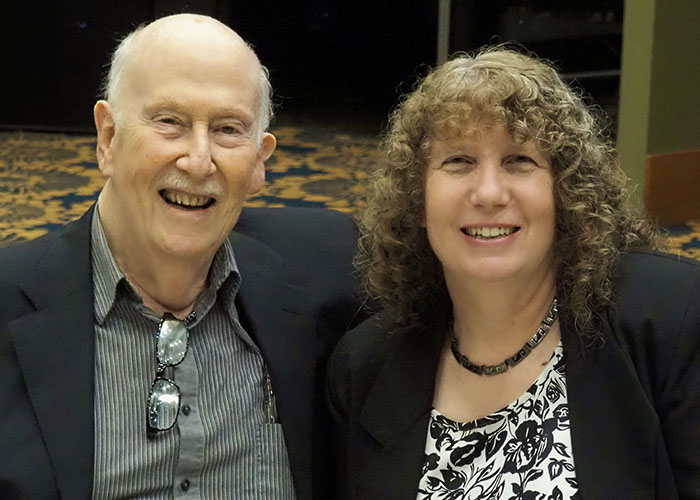
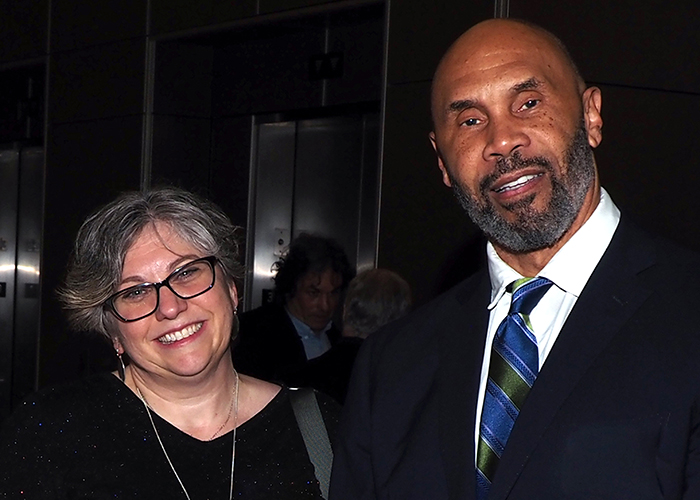
The donors present, whose gifts established chairs, were acknowledged: Professor Michael Jung and his wife Alice Jung, Professor Charles Knobler, and Professor Jeffrey Zink and his wife Helo. Family members of the late John P. McTague, whose gifts established the McTague and Reiss Chairs, were also recognized: daughters Cathy Bregenzer and Margaret McCreary, and son Kevin McTague.
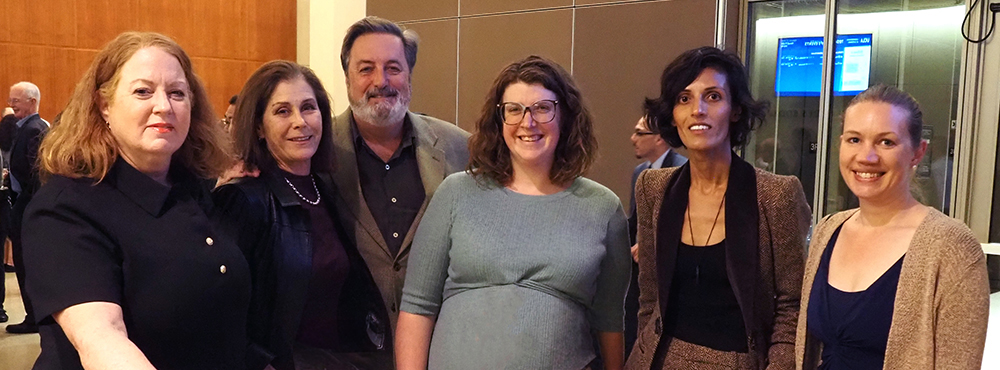
UCLA leaders in attendance included Vice Chancellor for Academic Affairs and Personnel Michael Levine; Vice Provost for Teaching and Learning Erin Sanders O’Leary; and former Vice Provost, Dean, and Professor Emerita Robin Garrell.
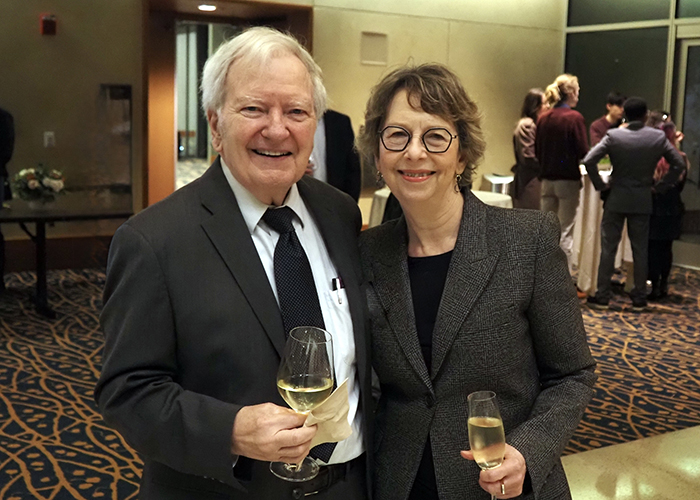
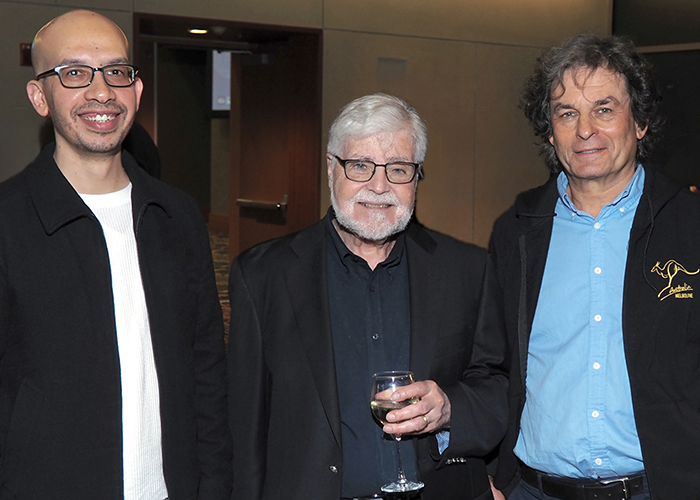
In his closing remarks, Spokoyny thanked the undergraduate students, graduate students, and postdoctoral researchers. “These trainees are often the unsung heroes of our research enterprise,” he said. “The chairs we celebrate tonight reflect not only distinguished faculty colleagues but also the talent, commitment, and resilience of the students and postdoctoral researchers who work alongside them every day.”
A list of all the chairholders who were honored at the event, along with information about how their chairs have impacted their research, appears below the photos.
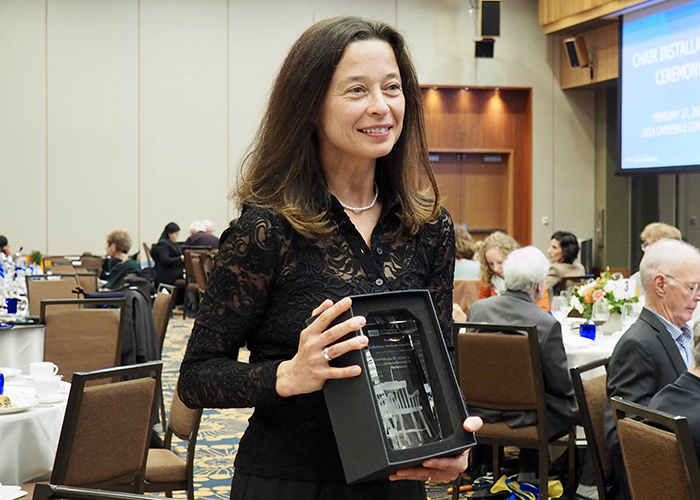
The following chairholders were announced and honored, each of whom received a crystal award:
The Charles W. Clifford Junior Chair in Chemistry and Biochemistry – Professor Anastassia Alexandrova (Inaugural Holder)
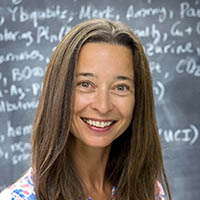
Professor Anastassia Alexandrova’s research lies at the forefront of theoretical and computational chemistry, addressing pressing challenges in energy, catalysis, health, and quantum computing. The Clifford Chair has enabled her group to explore exciting new directions before securing external funding. For example, it helped launch a collaboration with the Doheny Eye Institute to investigate the molecular-level mechanisms underlying certain optical neuropathies.
The Michael and Alice Jung Endowed Chair in Medicinal Chemistry and Drug Discovery – Professor Stuart Conway (Inaugural Holder)
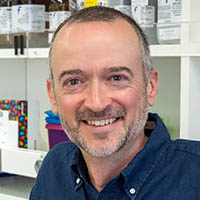
Professor Stuart Conway’s group works at the interface of chemistry and biology, applying organic chemistry techniques to study biological systems. They have developed chemical probes that enable them to learn about the interaction of small molecules with biomacromolecules, such as proteins. This allows their group to understand why some biological systems are disrupted in disease, and how we can develop drugs to treat these diseases.
The Jung Chair played a pivotal role in enabling Conway to relocate his group from the University of Oxford to UCLA. Since arriving, the Conway group has been establishing state‑of‑the‑art biology and chemistry laboratories that position them to tackle pressing therapeutic challenges, with the aim of building on Professor Michael Jung’s incredible legacy of drug discovery at UCLA.
The Charles and Carolyn Knobler Endowed Term Chair – Professor Sarah Tolbert (Inaugural Holder)
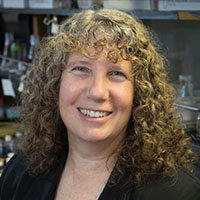
Professor Sarah Tolbert’s group focuses on controlling nanometer-scale architecture in solution-processed nanomaterials to generate unique optical, electronic, magnetic, structural, and electrochemical properties. Their work spans electrochemical energy storage, such as batteries and supercapacitors, organic electronics, nanomagnetics, passive cooling technologies, and the development of new ultra‑hard materials.
To advance these efforts, Tolbert combines innovative materials synthesis and fabrication with nanoscale structural characterization, device testing, and a broad suite of in situ and operando techniques. These approaches allow her team to both understand and improve the performance of systems and devices built from nanostructured materials.
The Knobler Chair is enabling Tolbert to pursue new research directions and to explore existing areas beyond what is possible with current federal support. She has expressed immense gratitude for the academic freedom this chair provides.
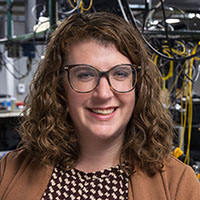
The John P. McTague Career Development Chair – Professor Victoria Barber
Professor Victoria Barber’s research program sits at the nexus of atmospheric and physical chemistry. Her group uses a combination of experimental and computational tools to examine the molecular processes that influence the composition of the Earth’s atmosphere. The ultimate goal of her program is to provide improved mechanistic understanding and kinetic parameters for key atmospheric processes, ultimately leading to improved predictive capacity in atmospheric models, and more effective strategies to control and respond to climate and air quality challenges.
The support provided by the McTague Chair has helped her group build a unique set of wide-ranging capabilities, ranging from detailed spectroscopic studies of individual reactive intermediates and reaction steps, well-controlled experiments that closely mimic real-world atmospheric conditions, to ambient measurements of atmospheric composition during air quality events in Los Angeles, including during the January 2025 Los Angeles wildfires.
The Howard Reiss Career Development Chair – Professor Prineha Narang
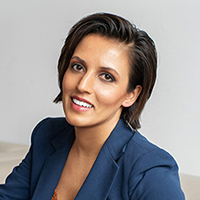
Professor Prineha Narang’s lab is an interdisciplinary group at UCLA that works at the vibrant intersection of computational science, phenomena away from equilibrium, and control of dynamical correlations in materials and molecules, by connecting the different branches of the physical sciences. Research in the group unifies and pushes new directions in ab initio materials theory and transport methods, ultrafast and nonequilibrium dynamics, computational condensed matter physics, and topological materials science. Her group also has an active and growing effort in quantum information science, spanning quantum algorithms for quantum computation, as well as fundamental directions in quantum network science. The Reiss Chair has been instrumental in providing support to the group’s research programs.
The John D. and Edith M. Roberts Term Chair in Organic Chemistry – Professor Soumitra Athavale
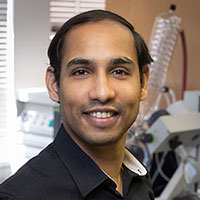
Professor Soumitra Athavale’s group utilizes engineered proteins to solve long-standing challenges in organic chemistry and chemical biology. A key focus of his group is the directed evolution of next-generation enzymes to catalyze important reactions with high selectivity and in a sustainable manner. His group also explores the use of enzymes as novel therapeutics in biological applications. Finally, a long-term goal of the group is to understand how the earliest enzymes evolved at the dawn of molecular biology.
The Roberts Chair Fund has been instrumental in supporting high-risk, high-reward exploratory projects. For example, it powered the group’s first major discovery of engineered iron enzymes for sustainable hydrogenation, which is among the most important reactions in organic chemistry and is expected to have widespread applications to make challenging molecules, including pharmaceutical intermediates.
The Randy Schekman and Sabeeha Merchant Centennial Term Chair – Professor Michael Lawson (Inaugural Holder)
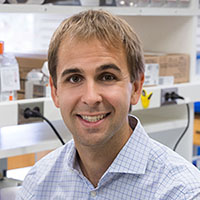
Professor Michael Lawson’s group studies proteins. Proteins are assembled in cells through a process known as translation, but when this process goes wrong, it can cause diseases such as cancer. The Lawson group uses specialized techniques to record movies of the molecular machines that synthesize proteins, which are called ribosomes, to determine how they function in healthy cells and what goes awry in human diseases.
Support from the Schekman and Merchant Chair has been transformative, allowing Lawson’s group to immediately begin the high-impact work with the potential to pave the way towards new therapies.
The Fraser and Norma Stoddart Chair in Contemporary Chemistry – Professor Osvaldo Gutierrez (Inaugural Holder)
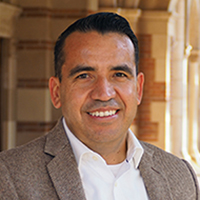
Professor Osvaldo Gutierrez leads a rare and unique research program that combines advanced computational modeling with experimental organic chemistry to rapidly discover new chemical reactions. By predicting chemical reactivity using state-of-the-art computer simulations and validating those predictions in the laboratory, his group accelerates the development of efficient methods for building complex molecules, particularly those relevant to pharmaceuticals.
A major focus of his work is the use of iron-based catalysts as sustainable, low-cost alternatives to precious metals traditionally used in drug synthesis. Gutierrez is also a sought-after collaborator worldwide for his expertise in computational chemistry, extending the reach and influence of his work across the chemical sciences and supporting greener, faster, and more cost-effective approaches to chemical synthesis.
The Stoddart Chair is envisioned to lead to increased visibility and recognition for Gutierrez’s research and, equally important, efforts to create a greater sense of belonging in STEM fields. In addition, the endowed chair will lead to hiring postdoctoral scholars and supporting students to tackle high-risk, high-reward projects, which, in the current funding environment, will be almost impossible to tackle.
The Walter and Shirley Wang Endowed Chair in Medicinal Drug Discovery – Professor Michael Jung (Inaugural Holder)
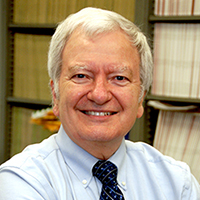
Professor Michael Jung’s group combines a basic knowledge of biology with excellent medicinal chemistry skills to try to develop new drugs for human diseases. They work very closely with MDs and biologists, both here at UCLA and elsewhere, to try to figure out how to treat various diseases. The Jung Group’s efforts have led to two drugs on the market, Xtandi and Erleada, both for prostate cancer. They also have four drugs in clinical trials for various forms of cancer, brain cancer specifically, multiple sclerosis, Crohn’s disease, and even hair growth. The Jung group is working to find even more drugs for the future.
Jung shares that the funds from the Wang Chair have been transformative for his research. He is extremely grateful to the Wangs for their support. The chair has allowed him to carry out exploratory research that has not yet been funded by any national entities, and also allowed him to hire the best medicinal chemists and to give them significant independence in carrying out their projects, which will place them in good standing when they go on in their own careers.
The Raymond A. & Dorothy A. Wilson Endowed Term Chair – Professor Xiangfeng Duan (Inaugural Holder)
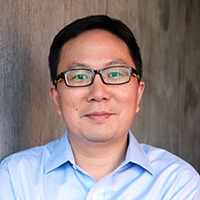
Professor Xiangfeng Duan‘s group explores how materials only a few atoms thick interact with carefully designed molecules. At this smallest scale, subtle interactions can have profound effects on how electricity flows, how magnetism behaves, and how chemical reactions occur. By creating new materials, building precise molecular connections, and using advanced tools to observe them, the Duan lab is developing unprecedented ways to control these interactions and guide how electric charges and other particles move and interact. This research not only expands our understanding of matter at its most fundamental level but also lays the foundation for transformative technologies, including cleaner energy systems, faster and more efficient electronics, and wearable devices that could reshape future healthcare.
Support from the Wilson Chair has been essential to the Duan lab in providing the freedom to pursue bold, interdisciplinary ideas and to build long-term strength in both people and research capabilities. This flexible investment has helped translate fundamental scientific discoveries into sustained research programs with enduring benefits for science and society.
The Saul Winstein Chair in Organic Chemistry – Professor Abigail Doyle
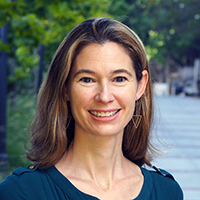
Professor Abigail Doyle’s lab conducts research at the interface of organic, organometallic, and physical organic chemistry, enhanced by the use of modern data science and machine learning tools. The Doyle Lab’s goal is to address unsolved problems in organic synthesis through the development of novel catalysts, catalytic reactions, and synthetic methods. They implement mechanistic and computer-assisted techniques to uncover general chemical principles, predict unseen reactivity, and discover new reactions.
The Winstein Chair has allowed the Doyle group to pursue innovative research ideas to seed federal funding applications with preliminary data on new projects; the chair has also allowed her to hire a diverse team of incredible scientists and foster a supportive, creative, inclusive, and enthusiastic environment for them to succeed.
The Linda and Fred Wudl Term Chair – Professor Kalli Kappel
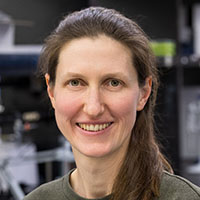
Professor Kalli Kappel’s group conducts research on Protein and RNA molecules, which carry out many life-sustaining processes in cells. However, small changes in their sequences can disrupt these processes and cause disease. Her group’s research investigates how these molecules organize across scales — from individual molecules to larger subcellular structures — and work together inside cells. Using high-throughput experiments and computational models, the Kappel group aims to understand and predict how protein and RNA sequences encode organization and function. This knowledge can help explain how diseases like cancer or neurodegeneration develop, and guide the design of new molecules or therapies that restore healthy cellular function.
The Linda and Fred Wudl Term Chair has enabled Kappel to launch her research program at UCLA, allowing her lab to perform critical early-stage experiments and rapidly push forward new ideas.
The Jeffrey and Helo Zink Endowed Professional Development Term Chair in Chemistry – Professor Matthew Nava
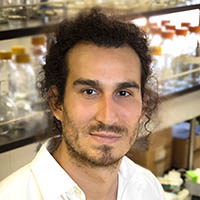
Professor Matthew Nava’s lab develops new strategies to stabilize transition metals and main-group elements at their extremes of formal oxidation states, coaxing new modes of reactivity, and elaborating how energy, supplied through light or an electrochemical potential, propagates through molecules. Using insight extracted from these inquiries, his group is engaged in advancing and leveraging molecular design to tackle chemical challenges at the frontiers of materials, biological, and energy conversion chemistries. In particular, the Nava group draws inspiration from heterogeneous materials and aims to provide molecular-level insight to industrially relevant, but spectroscopically recalcitrant systems.
Support from the Zink Chair has been instrumental in keeping Nava’s research program running seamlessly during these uncertain times. The funds are directly used to support two graduate students in researcher positions.
To learn about all the endowed chairs in the UCLA Department of Chemistry & Biochemistry, visit the Endowed Chairs website.
To learn how to contribute to an endowed chair, please contact Brooke Sanders, Executive Director of Development, UCLA Physical Sciences, 310-794-9045, bsanders@support.ucla.edu.
Photos by Penny Jennings and Isabella Luo, UCLA Department of Chemistry & Biochemistry, penjen@g.ucla.edu.